Who
How

News
Home > Who > News
R290 refrigerant

Designing Safe R290 Electric Compressor Systems: From Leak Detection to Electrical Protection

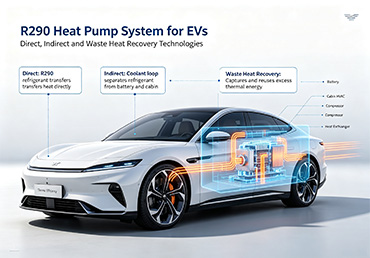
R290 (propane) is emerging as a preferred refrigerant in electric compressor systems due to its low GWP, high efficiency, and cost advantages. However, its flammability requires comprehensive safety design. This article outlines critical engineering considerations, including leak detection and monitoring, emergency response strategies, piping and sealing optimization, system layout principles, and multi-level electrical protection mechanisms. These measures ensure a balance between performance and safety, enabling sustainable and reliable applications in electric vehicles and advanced thermal management systems.
Browse number :
92
Read More
electric compressor development trends in 2026-2030

Future Trends in Electric AC Compressor Technology for Electric Vehicles (2026–2030)

Electric AC compressors are evolving into critical enablers of thermal management in NEVs. Between 2026 and 2030, technological breakthroughs will focus on higher system efficiency, deeper integration with heat pump architectures, intelligent control enabled by AI algorithms, lightweight and compact designs, and improved environmental sustainability.
Browse number :
319
Read More
R290 electric compressor

Key Design Considerations and Countermeasures for the Application of R290

This article outlines the key design considerations for R290 electric compressor applications, focusing on system safety, sealing performance, operating envelope, structural strength, motor and power electronics reliability, and lubricating oil compatibility. The insights presented aim to support engineers and OEMs in developing safe, efficient, and reliable R290-based electric compressor solutions.
Browse number :
524
Read More
Analysis of Electric Compressor Operating Conditions in EVs

System-Level Analysis of Electric Compressor Operating Conditions in Electric Vehicles

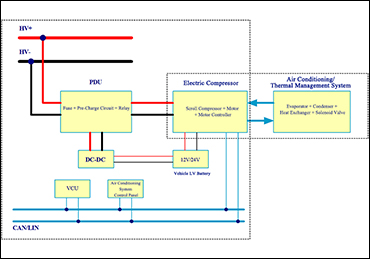
This article provides a comprehensive system-level analysis of their operating conditions, covering vehicle electrical architecture, high- and low-temperature challenges, startup performance, and the transition to eco-friendly refrigerants like R290. Key design considerations include electromagnetic interference mitigation, power sequencing, insulation requirements, and adaptations for higher speeds and larger displacements. By examining these factors, the article highlights essential strategies for developing reliable and efficient electric compressors tailored to the demands of modern EV thermal management systems.
Browse number :
1338
Read More
Thermal Management in NEVs

Thermal Management in NEVs: Integration and CO₂ Heat Pumps

This article explores two transformative industry trends: the integration of thermal systems—combining multiple functions into compact, energy-efficient modules—and the adoption of carbon dioxide (CO2 or R744) heat pumps as eco-friendly, high-performance alternatives to traditional heating methods.
Browse number :
1229
Read More
R290 refrigerant

The Use of R290 in Automotive Air Conditioning: Advantages, Challenges, and Engineering Solutions

With a GWP of just 3 and zero ozone impact, R290 (propane) delivers powerful, energy-efficient cooling—cutting EV compressor load by up to 30%. Advanced safety innovations like flame-retardant hoses, leak sensors, and automatic shut-off valves are unlocking its full potential. R290 is cost-effective, eco-friendly, and ready to drive the next generation of sustainable vehicle HVAC systems.
Browse number :
1393
Read More
 1 2 3 4 5 6 7 8 9 10 
Copyright: 1997-2024 Guchen Industry All rights reserved.